ANTONÍN STŘÍŽEK: THE WORLD NEXT DOOR 30. 6.-16. 8.

The World Next Door 30. 6.-16. 8.
curator: Karel Srp
Antonín Střížek (1959) is part of the ‘founding’ generation of the new wave of painting from the late 1980s and early 1990s. He became well known for his paintings depicting Karel Hynek Mácha wandering through the countryside, domestic animals observing a comet, and large still lifes featuring sewing supplies or shoes. Early in his career, he focused on a style where realistic perspective is infused with subtle absurdity, humour, and exaggeration, linking the scenes to contemporary themes and either affirming or challenging their meaning. Střížek’s works stand out for their powerful artistic expression, unique message, and consistent style beneath the ordinary, seemingly insignificant. They re-evaluate traditional domains of visual arts: figural painting, landscape, and still life. These have transformed into sources of rich sensory stimuli that extend their vitality and give them a distinct significance. Thanks to the paintings, it is a world that persists and is not forgotten, even though the external reality that may have inspired it has vanished from view. In Střížek’s artworks, it remains a constant presence.
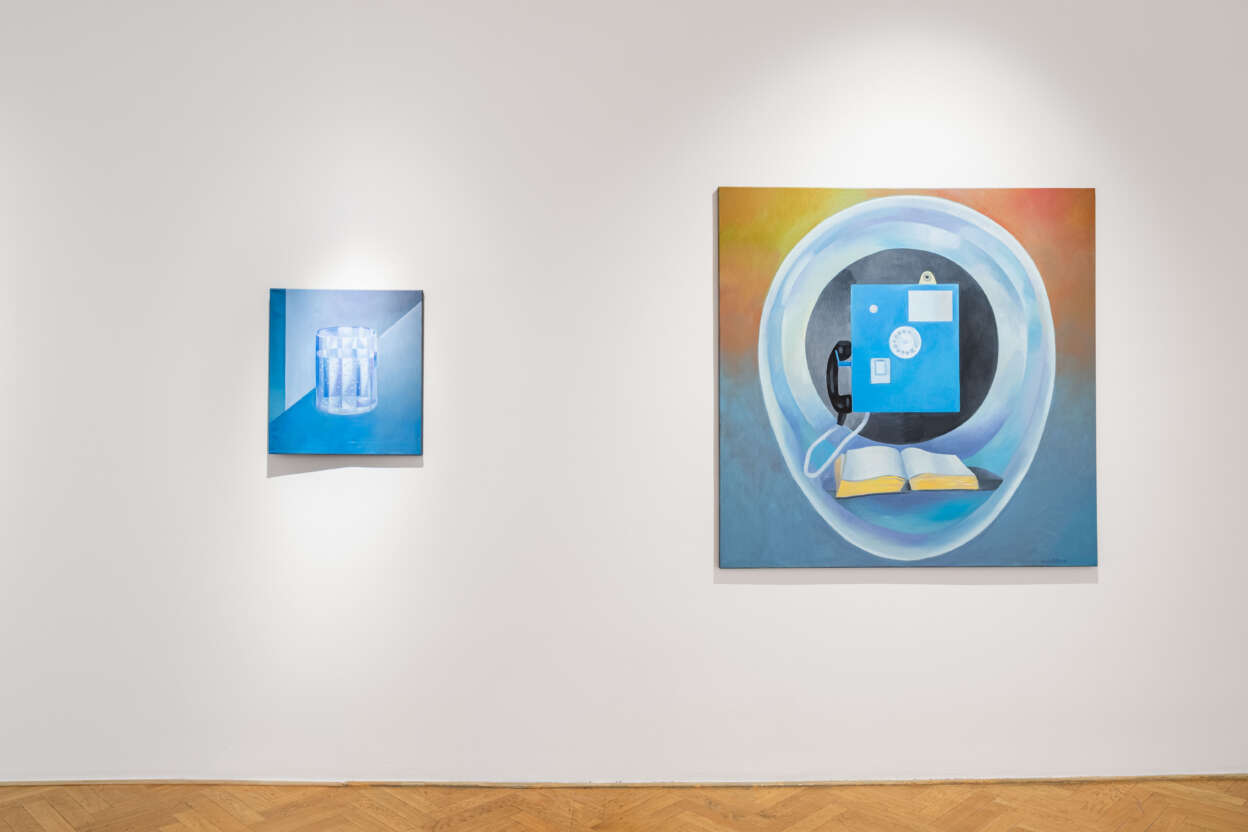
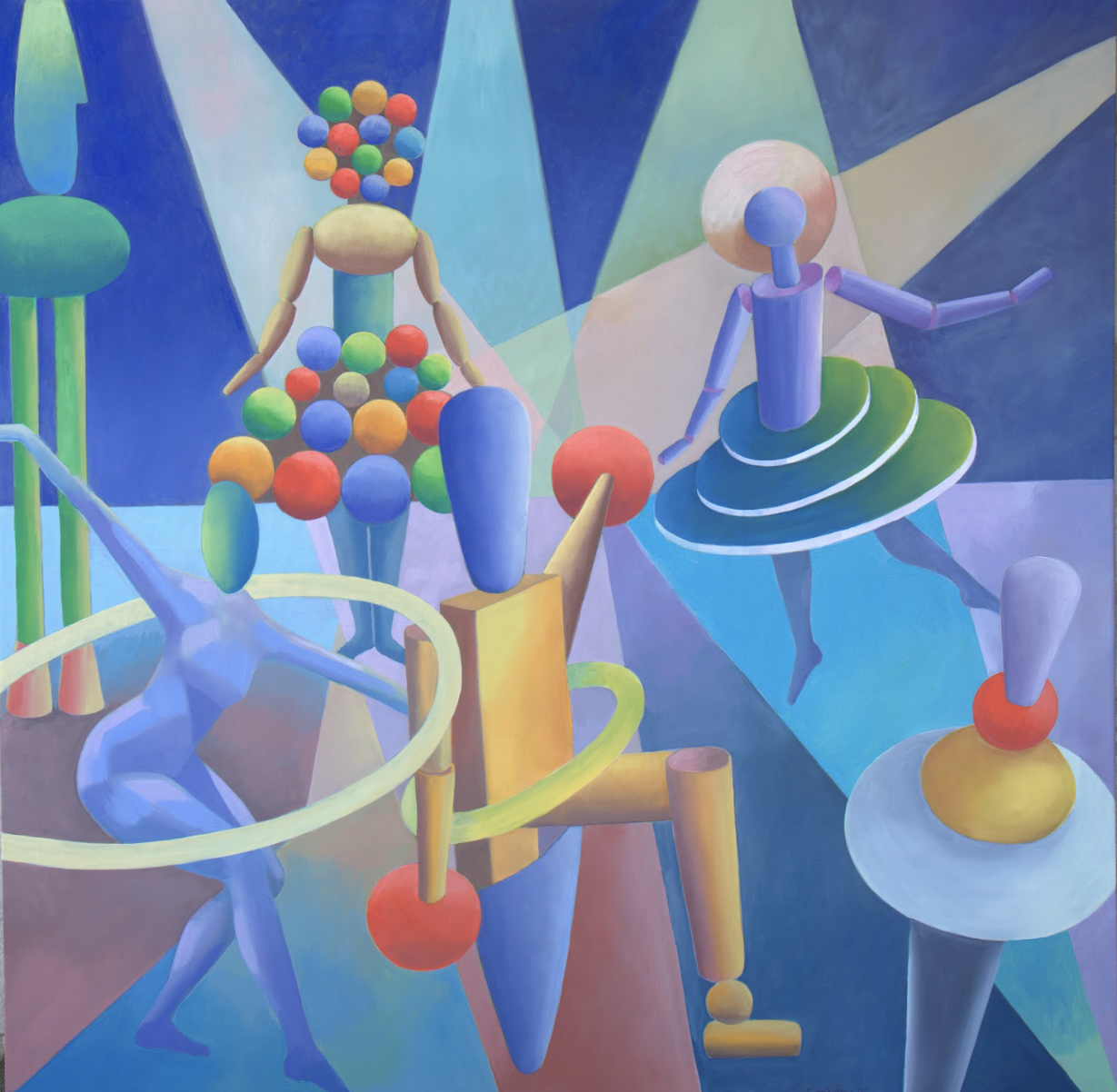
The latest exhibition of Antonín Střížek offers an overview of his paintings, drawings, and photographs from recent years, highlighting his current artistic focus. Nocturnal urban scenes, balladic and desolate landscapes, minimally rendered interiors, large flower still lifes, and nostalgic old payphones offer a glimpse into the artist’s intimate world, making it feel as close to spectators as if they lived nearby. The exhibition, beginning with his landmark paintings Chair (2020) and Bathroom (2020), concludes with this year’s series titled Bauhaus, which is inspired in part by Oskar Schlemmer’s The Triadic Ballet. Through these works, Střížek moves beyond the solitude typical of his earlier art. Unlike before, he now embraces ambiguous sensory impressions inspired by various journeys, resonating with admirers of his airy paintings, which – regardless of their subject – seem to float between heaven and earth.
Through Střížek’s paintings, we enter an environment that, though accessible, remains out of reach; sometimes it appears right before us, yet if it were not depicted, we would pass by without noticing. His works, however, explore something more fundamental: the importance of the image itself. They examine the conditions and assumptions behind self-depictions, which, despite seeming obvious, are rooted in his extensive experience with shape, colour, and composition.